Insight 2026-03-21
Insight
Data-driven construction: beyond the numbers
James Graham, Divisional CEO, Equans UK & Ireland, explores how, in today's rapidly evolving and increasingly complex construction sector, data is abundant but actionable intelligence remains rare.
While major projects generate vast streams of information, many organisations still face significant challenges in converting that data into meaningful insights that improve project delivery, particularly in areas such as safety and risk management, compliance, financial performance and overall project assurance.
Turning data into actionable intelligence
At Equans, we’ve experienced this challenge, which means unlocking the value of data is at the core of our value proposition. Our recent global study on how different countries are utilising data, confirms that, although most businesses possess the tools to gather extensive data, only those committed to ongoing innovation are unlocking its full potential to de-risk projects and ensure efficient, resilient operations.
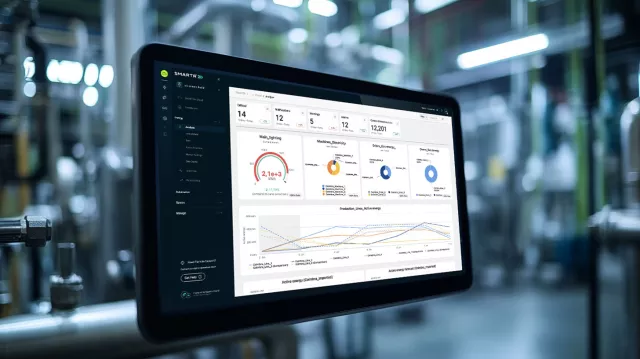
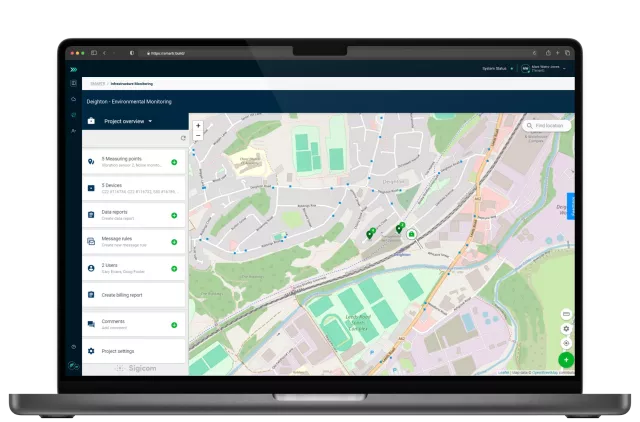
Many technology applications can often miss the key benefits to colleagues and customers, leading to slow uptake, or hitting barriers preventing scale. That’s why Equans has developed unique digital monitoring capability, which integrates advanced data management, reporting tools, and environmental compliance features across a range of parameters – including noise, vibration, and air quality, as well as machine health, asset performance and site activity. It’s more than just a technological upgrade replacing significant hours of project labour, it’s a transformative philosophy for keeping projects on track and mitigating risk before it threatens progress. By leveraging real-time data from cutting-edge sensors supported by resilient connectivity, including satellite systems for complex or remote environments, we can continuously monitor key project parameters and provide early warnings that drive immediate, decisive action.
How can data improve compliance and project resilience?
This capacity is essential not only for compliance, but also for project resilience. When a construction site falls outside statutory boundaries for environmental emissions, work can be delayed or halted, impacting timelines and budgets. Advanced monitoring systems enable us, and our clients, to address thresholds proactively, ensuring uninterrupted progress.
However, the value of data extends far beyond safety, financial and environmental assurance. Every construction project today faces mounting regulatory demands, from sustainability reporting and decarbonisation, to environmental impact monitoring and reporting (BREEAM, arboriculture, ecology) to occupational safety and noise reduction.
Data management platforms cannot simply be repositories for numbers. Our systems are tailored for enhancing resilience and financial performance, enabling intelligent decision-making, compliance tracking, sustainability reporting, ISO audit preparation, and decarbonisation.
Data-driven construction in practice: Yorkshire GREEN
A practical example of this would be our work on the Yorkshire GREEN project – part of National Grid’s Great Grid Upgrade – where Equans is delivering comprehensive infrastructure monitoring and technical consultancy.
Our digital monitoring capability enables continuous tracking of noise, vibration, and air quality throughout the civils and construction phases. This is not theoretical: high-quality data, collected in real time, is integrated into workflows and alerts, allowing site managers to act quickly if issues arise. Clients benefit from actionable insight, not just information, empowering them to sort potential risks on the spot.
How real-time data helps manage risk
Another project where a data-driven approach proves invaluable is slope monitoring.
During slope remediation works for a major rail infrastructure project in the north of England, engineers were required to widen an existing cutting to create space for new railway assets. This involved significant earthwork activity and introduced stability risks to the surrounding area.
With residential properties located at the top of the slope and heavy construction equipment operating below, continuous monitoring was essential. Movement needed to be detected in real-time to protect the public, safeguard the workforce and ensure that construction could proceed safely. Although this risk had been anticipated, the monitoring solution had to be installed rapidly to ensure compliance with the contractor’s programme.
By integrating continuous streamed slope movement data, project teams receive early warnings of instability, helping to prevent critical incidents and keep rail works safe and compliant. This is illustrative of the wider trend: real-time, high-quality data becomes a safeguard, powering actionable interventions before minor issues escalate.
What does the future of data-driven construction look like?
The construction industry must evolve from passive data gathering to active intelligence, where insights drive decisions instantaneously. This means:
- Real-time monitoring of key site metrics (noise, vibration, slope stability, air quality)
- Integrated alert systems to manage statutory compliance and environmental risk
- Predictive maintenance to reduce downtime, optimise asset life, and ensure project continuity
- Advanced digital platforms that support ISO audits, sustainability, and decarbonisation targets
Our experience shows that the best outcomes for customers emerge when high-quality data is applied in real-time scenarios, not merely archived. We can break through barriers when digital intelligence is embedded in daily operations – from noise alerts to environmental compliance, from slope monitoring to satellite-based observation.
As the construction sector confronts new challenges – rising regulation, complex sites, increasing sustainability imperatives – actionable data becomes not just a competitive advantage, but a necessity.
This article originally featured in Digital Construction Now