
Glossary Glossary 2026-06-09
What is energy performance contracting?
Energy performance contracting (EPC) is a commercial model where energy efficiency improvements are funded through the cost savings they generate.
A provider designs, implements, and often maintains energy-saving measures, with performance guaranteed over time.

Why EPC is important
EPC enables organisations to:
- Upgrade buildings without large upfront capital investment
- Reduce energy costs and carbon emissions
- Transfer performance risk to the provider
- Accelerate progress towards net zero
How EPC works
A typical EPC arrangement includes:
- Energy assessment - identifying opportunities for savings
- Implementation - installing energy-efficient systems and technologies
- Performance guarantee - savings are measured and verified over time
- Ongoing support - monitoring and optimisation of performance
What technologies are included?
EPC projects may involve:
- LED lighting upgrades
- HVAC system improvements
- Building controls and BMS optimisation
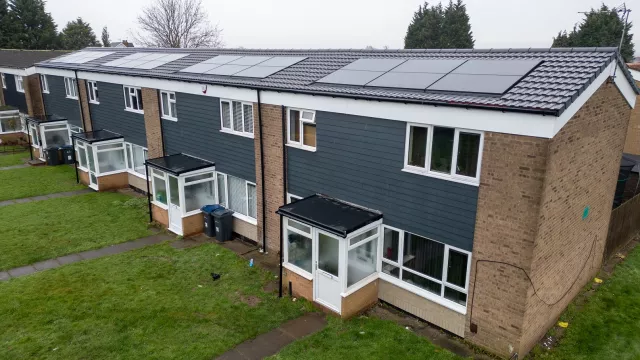
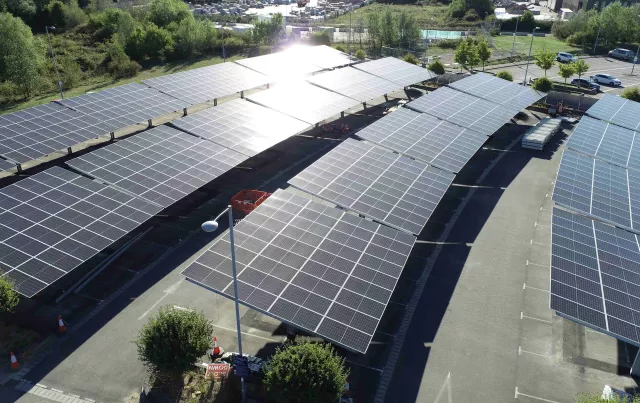
- Renewable energy systems

EPC in practice
EPC is widely used in:
- Public sector estates (e.g. local authorities, NHS)
- Education and university campuses
- Large commercial portfolios




Frequently asked questions
Energy performance contracting works by identifying energy-saving opportunities, installing efficiency measures and then measuring the savings achieved over time.
A typical EPC arrangement includes an energy assessment, implementation of energy-efficient systems, a performance guarantee, and ongoing monitoring and optimisation.
Energy performance contracting is important because it can help organisations upgrade buildings without requiring large upfront capital investment.
It can also reduce energy costs, cut carbon emissions, transfer performance risk to the provider and accelerate progress towards net zero.
Organisations can use energy performance contracting to improve energy efficiency, reduce operating costs, upgrade ageing systems and lower carbon emissions.
EPC can also help make decarbonisation projects more commercially viable by linking investment to measurable energy savings.
EPC can support net zero targets by helping organisations deliver practical energy and carbon reduction measures across their buildings.
This may include improving HVAC systems, upgrading lighting, optimising building controls, installing renewable energy systems and monitoring performance over time.
Energy performance contracting can reduce the need for large upfront capital investment by using future energy savings to help fund improvement works.
This can make it easier for organisations to deliver energy efficiency and decarbonisation projects, particularly across large or complex estates.
The main benefit of energy performance contracting is that it links energy efficiency investment to measurable savings.
This helps organisations improve buildings, reduce costs and cut carbon emissions while creating a clearer commercial case for action.